Understanding the VG-99: Features and Benefits
Overview of VG-99 Specifications
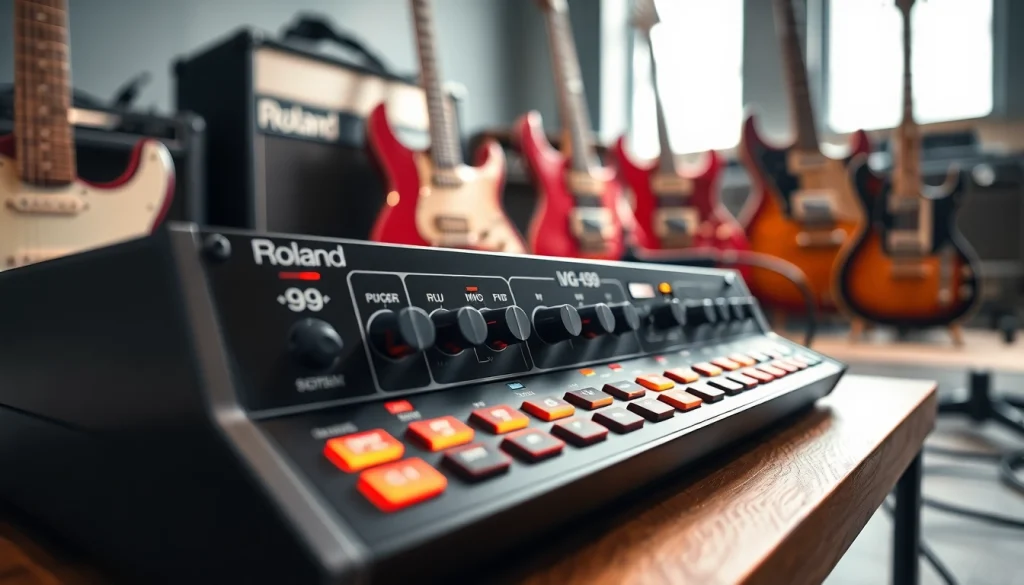
The Roland VG-99 is an advanced guitar modeling system that combines cutting-edge digital processing with a range of traditional guitar sounds. As a pivotal tool for both guitarists and producers, it offers a remarkable array of features that allow musicians to replicate a variety of instruments, amplifiers, and effects in real-time. The VG-99 boasts a host of specifications, including:
- 36 COSM modeled guitar types, ranging from classic to contemporary models.
- 17 COSM amplifiers, providing an authentic amp experience.
- Onboard MIDI capabilities for sending performance data and triggering other devices.
- Dual guitar processing paths for complex sound layering.
- USB connectivity for easy integration with DAWs and software.
For those looking for more information on the VG-99, you can visit https://vg99.zip/ for an assortment of resources and support options.
Key Features That Set the VG-99 Apart
What differentiates the VG-99 from other guitar modeling devices in the market is its COSM technology. This proprietary technology from Roland delivers exceptionally realistic sounds and enables musicians to craft not just traditional sounds, but also unique experimental tones that can elevate any piece of music. Further defining characteristics include:
- Advanced Guitar Modeling: The VG-99 provides an extensive library of modeled guitars that faithfully recreate the sound and feel of real instruments.
- Flexible Signal Routing: Musicians can create complex signal chains, mixing and matching effects and amplifiers.
- Real-Time Control: The device supports real-time tweaking of settings, which is essential during live performances.
- A User-Friendly Interface: The interface is designed for intuitive use, allowing quick adjustments and setup without diving deeply into a manual.
Practical Applications for Musicians and Producers
The VG-99’s applications run the gamut from studio recordings to live performances. Musicians use the device to:
- Create unique soundscapes that enhance recordings, providing flexibility and creativity.
- Incorporate diverse tones during live shows, making it easier to switch between sounds as needed.
- Utilize the MIDI functions to control other electronic instruments and devices, facilitating complex arrangements.
- Engage in sound design and experimentation, pushing the boundaries of conventional guitar sounds.
Setting Up Your VG-99 for Optimal Use
Connection Techniques with Your Instrument
Setting up the VG-99 correctly is essential for achieving optimal sound. Here are the steps to ensure your connection is seamless:
- Connecting Your Guitar: Use the 13-pin connector to link your guitar to the VG-99. Ensure your guitar is compatible with Roland’s GK pickups for full functionality.
- Audio Connections: Connect the VG-99 to your amplifier or directly to a recording interface. Using balanced outputs is often preferable.
- Power Up: Turn on the VG-99 and ensure your instrument is properly tuned to enjoy the full sonic capability immediately.
Software Integration for Enhanced Performance
To unlock the VG-99’s full potential, integration with software is key. The device is capable of operating with various DAWs such as Logic Pro, Ableton Live, and Pro Tools. Use the following steps for integration:
- Install Drivers: Download and install the latest drivers from Roland’s support page to ensure seamless communication between devices.
- Configure Your DAW: Set your DAW to recognize the VG-99 by selecting it as an audio input device.
- Utilize Plugins: Depending on your setup, you can enhance your sound with various plugins designed to work in conjunction with the VG-99’s output.
Troubleshooting Common Setup Issues
While setting up the VG-99 is generally straightforward, issues can arise. Here are some common problems and their solutions:
- No Sound Output: Check that all connections are secure. Verify whether your audio interface is correctly configured.
- Compatibility Issues: Ensure your guitar pickups are properly calibrated. Consult the user manual for detailed setup instructions.
- Software Disconnections: If your DAW fails to recognize the VG-99, restart both your computer and the VG-99 and then reconnect.
Crafting Unique Sounds with the VG-99
Exploring Presets and Custom Patch Creation
The VG-99 comes equipped with numerous presets; however, the real magic lies in custom patch creation. Here’s how to get started:
- Select a Base Preset: Start with a preset that closely resembles the sound you want to create.
- Adjust Parameters: Tweak the effects, model types, and amp settings using the dedicated control knobs for individual manipulation.
- Save Your Patch: Don’t forget to save your creation, allowing quick access during performances or recordings.
Advanced COSM Modeling Techniques
For those familiar with sound design, the VG-99’s advanced COSM modeling technology opens a door to limitless possibilities. Here’s how you can optimize your sound with COSM:
- Layering Sounds: Use dual processing paths to layer different guitars and effects simultaneously.
- Custom Microphone Positioning: Experiment with virtual mic placements to adjust the tonal quality to your liking.
- Use of Feedback Effects: Integrate feedback and modulation effects to create atmospheric sounds that evolve with your performance.
Tips for Sound Design and Experimentation
Experimentation is vital in sound design. Here are some best practices:
- Regularly Save Variations: Create multiple variations of a patch to avoid losing your ideas.
- Experiment With Different Genres: Try using different presets suitable for genres outside your comfort zone to discover new sounds.
- Collaborate with Other Musicians: Collaboration can lead to fresh perspectives and ideas on sound manipulation.
VG-99 Maintenance and Care
Regular Updates and Driver Management
Keeping the VG-99 updated is crucial for maintaining optimal performance. Here are steps for managing updates:
- Check for Firmware Updates: Regularly visit the Roland support page to check for the latest firmware updates.
- Backup Your Settings: Before performing any updates, ensure that you back up your patches to prevent data loss.
- Install Driver Updates: Similar to firmware, ensure all necessary drivers are up to date, especially if you experience connectivity issues.
Cleaning and Hardware Maintenance
Proper care for the VG-99 hardware is fundamental to its longevity. Follow these maintenance tips:
- Dust Regularly: Keep the device clean by dusting it frequently to ensure all knobs and connectors remain unaffected.
- Avoid Moisture: Store the VG-99 in a moisture-free environment to prevent damage from humidity.
- Use Appropriate Cabling: Ensure wires and cables are in good condition to avoid wear and circuit shorts.
Community Resources for Support and Sharing
The VG-99 community is rich with resources, tips, and support. Key places to connect include:
- User Forums: Websites like VGuitar Forums are dedicated to discussions about VG-99 usage, troubleshooting tips, and sound sharing.
- Social Media Groups: Joining groups on platforms like Facebook or Reddit can provide insights and experiences from other users.
- YouTube Tutorials: Motion graphics tutorials covering specific functions and patches can be beneficial for beginners and advanced users alike.
Inspiring Case Studies from VG-99 Users
Successful Artists and Their VG-99 Setups
Several renowned artists have integrated the VG-99 into their setups, illustrating its versatility:
- John Mayer: Known for using the VG-99 in live performances, Mayer effectively showcases the device’s capabilities in blending traditional sounds with modern effects.
- Adrian Belew: This guitarist has employed the VG-99 extensively in both studio and live settings, illustrating the custom patching options that enhance his unique sound.
Innovative Uses in Live Performances
Live performances can benefit tremendously from the VG-99’s capabilities. Many users have reported:
- Quick sound alterations on stage, allowing for spontaneous creativity.
- The ability to simulate multiple instruments in various songs, reducing the need for multiple guitars during a performance.
Collaborative Projects Featuring the VG-99
Collaboration within music circles can yield fascinating results when using the VG-99:
- Film Scores: Many sound designers employ its capabilities in scoring films, utilizing the VG-99 to craft unique soundscapes.
- Collaborative Albums: Artists have created albums where the VG-99 is key to achieving certain stylistic goals across a range of genres, from rock to electronic.